A Peek In 100% Real Counterfeit Money's Secrets Of 100% Real Counterfeit Money
100% Real Counterfeit Money: Understanding the Complex World of Currency Replication
Counterfeit money represents a fascinating, albeit prohibited, aspect of the modern economy. Read More In this article “100% real counterfeit money” is an appealing contradiction that encapsulates the argument surrounding currency production and legality. While real in the sense that it simulates real banknotes, counterfeit currency is inherently deceptive. This article looks into the complexities of counterfeit money, the science behind its duplication, the legal ramifications, and the continuous efforts to fight its circulation.
The Basics of Counterfeiting
Counterfeiting is the unlawful imitation of currency, designed to trick individuals and organizations into accepting it as real. The counterfeiters employ different methods and tools to produce notes that carefully resemble official currency. This practice has actually been a part of human history for centuries, and with the improvement of innovation, its elegance has only increased.
Secret Characteristics of Counterfeit Money
Comprehending how to identify counterfeit notes helps in the battle versus this concern. Here are some common attributes that help in detection:
Watermarks: Genuine currency often features distinct watermarks that are challenging to reproduce.
Color-Shifting Ink: Many modern-day banknotes utilize ink that changes color when viewed from various angles.
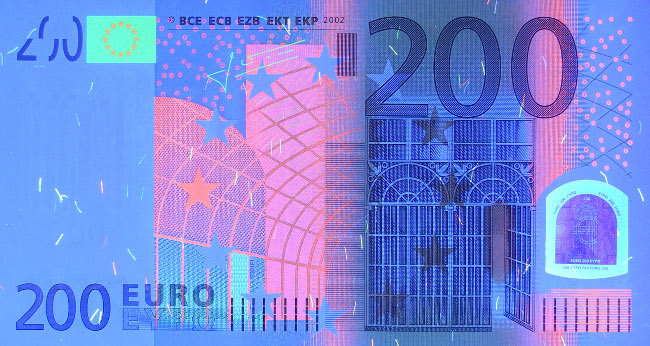
Microprinting: Small text that is difficult to see with the naked eye but exists on legitimate notes is often missing or replicated poorly on counterfeit bills.
Feel and Texture: Genuine money is printed on a distinct type of paper, offering it a specific feel. Counterfeit notes typically feel various, as they might be printed on regular paper.
Security Threads: This ingrained thread is a typical security feature in numerous banknotes.
Regardless of these functions, counterfeiters have created significantly advanced methods that in some cases can trick even precise individuals.
The Legal Landscape of Counterfeiting
Counterfeiting is a criminal offense in practically every country worldwide. The legal implications can be extreme, including everything from substantial fines to considerable jail sentences. Moreover, legislation is constantly adjusted to attend to new methods of counterfeiting.
In the United States, for example, the Secret Service was initially founded to combat currency counterfeiting and has actually remained at the forefront of this battle. They employ various strategies, including public education, to help residents identify counterfeit money.
Legal Consequences of Counterfeiting
The repercussions of counterfeiting can vary based upon jurisdiction however frequently consist of:
- Criminal Charges: Most nations classify counterfeiting as a felony or major offense.
- Fines: Offenders might be required to pay significant monetary fines.
- Imprisonment: Convictions can cause prolonged prison sentences.
- Restitution: In some cases, counterfeiters might be ordered to repay victims.
Counterfeit Money in the Digital Age
With the rise of digital innovation, consisting of 3D printing and advanced graphics software, the process of producing counterfeit currency has become more accessible. This technological evolution postures challenges to law enforcement and banks aiming to protect the integrity of global currencies.
Procedures to Combat Counterfeiting
In action to these challenges, banks, federal governments, and police have carried out various protective steps, consisting of:
Advanced Security Features: Continuous improvement in the security features of banknotes, including holograms and intricate designs.
Public Awareness Campaigns: Educating people on how to detect counterfeit notes and report suspicious activities.
Collaboration Between Agencies: Cooperation between worldwide police and monetary entities is important in locating and prosecuting counterfeiters.
The Role of Enthusiasts and Collectors
Interestingly, while counterfeit money is illegal, many collectors and enthusiasts focus on the research study of counterfeit currencies as a specific niche pastime. For these individuals, comprehending the history, techniques, and artistry associated with counterfeit money can be both educational and entertaining.
Gathering Counterfeit Currency: What You Should Know
For those drawn to the world of counterfeit money as a collector's product:
Legal Implications: It is important to guarantee that the collection does not include having counterfeit money that might be misinterpreted genuine currency.
Historical Value: Some counterfeit notes, especially those that are old or produced in limited runs, can have considerable historic worth.
Educational Opportunities: Collecting counterfeit currency can supply insights into financial history and the advancement of currency style.
FAQs About Counterfeit Money
Here are some frequently asked questions regarding counterfeit money:
1. What is counterfeit money?
Counterfeit money is a replica of currency that tries to replicate authentic costs with the intent to deceive and defraud those who accept it.
2. How can I tell if a bill is counterfeit?
To identify counterfeit costs, analyze the watermark, color-shifting ink, microprinting, and feel of the note, to name a few security functions typically provide in authentic currency.
3. What should I do if I receive a counterfeit expense?
If you think you have gotten counterfeit currency, do not try to use or flow it. Instead, report it to regional law enforcement or the relevant monetary institution.
4. Is it unlawful to possess counterfeit money?
Yes, having counterfeit money can cause criminal charges, consisting of fines and jail time. It is vital to avoid any association with counterfeit currency.
5. Can counterfeit money look like real money?
Yes, modern-day counterfeit money can be quite convincing, often mimicking genuine currency carefully due to advanced printing strategies. Nevertheless, mindful examination generally exposes discrepancies.
The world of counterfeit money is both appealing and greatly packed with legal implications. While it represents a serious criminal offense that undermines the economy, comprehending its characteristics can offer essential insights into the more comprehensive context of currency management and economic stability. People need to stay alert versus counterfeiting while appreciating the historic and technological stories that surround it. Awareness and education are vital in combating this prevalent problem, guaranteeing a more secure monetary environment for everybody.